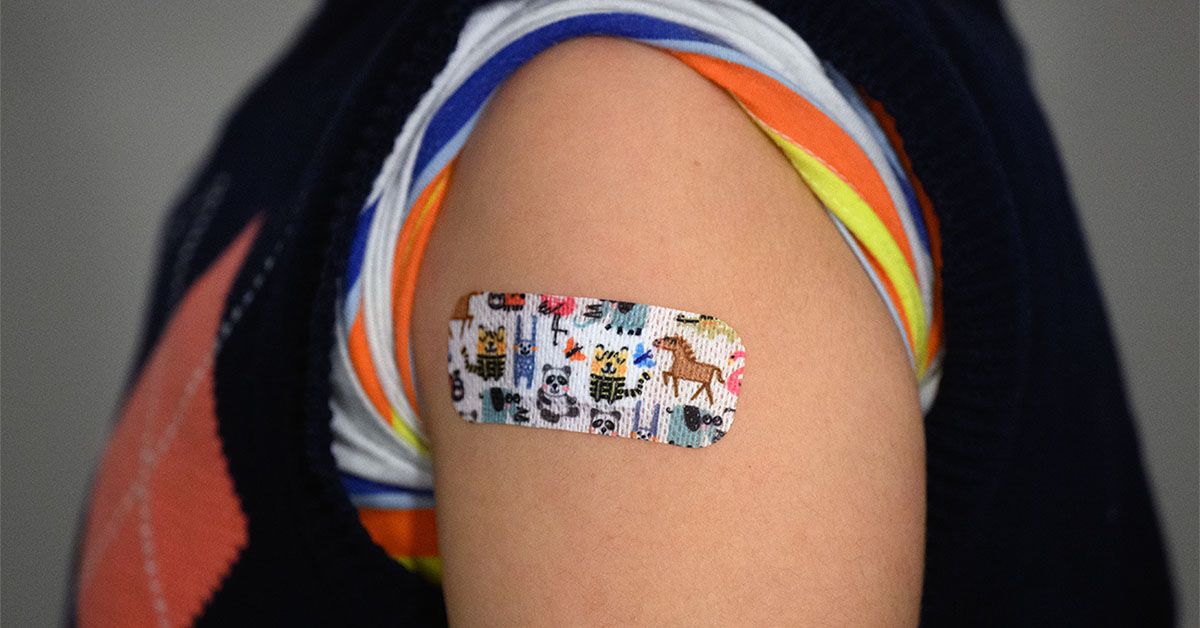
The Centers for Disease Control and Prevention (CDC) recently released new guidelines for childhood immunizations, which have sparked controversy among pediatric medical professionals. The new schedule reduces the number of recommended vaccinations from 16 diseases to 11.
According to the CDC's new guidelines, hepatitis A, hepatitis B, and meningococcal vaccines are now only recommended for children at higher risk. Rotavirus, COVID-19, and flu vaccines have been moved to a "clinical decision-making" category, suggesting that parents consult with their doctor before making decisions about vaccination.
Despite the new guidelines, many pediatricians continue to follow recommendations from the American Academy of Pediatrics (AAP) and some major medical groups have filed a lawsuit against the CDC to block the changes. Our team spoke with pediatric healthcare professionals to understand the concerns surrounding these changes.
New Childhood Vaccine Schedule Raises Concerns Among Pediatricians
Pediatricians who have seen firsthand the devastating effects of vaccine-preventable diseases are expressing concern about the new guidelines. Dr. Amanda Furr, chief medical officer of Zarminali Pediatrics, recalled working in hospitals when infants arrived severely dehydrated from rotavirus. "You'd do everything to try to even get an IV because they were so dehydrated," she said.
Dr. Helena Bentley, owner of Kid Care Pediatrics in Georgia, has seen the complications of vaccine-preventable diseases firsthand. She described a former employee's son who was left severely disabled by meningitis and children who lost limbs or died within 24 hours of infection.
Experts warn that these changes could put everyone at risk. Dr. Benjamin Lopman, an epidemiologist at Emory University's Rollins School of Public Health, pointed to last year's measles outbreaks in the Southwest, which began in communities with low vaccination rates. "Measles is a disease that the CDC declared eliminated from the United States in 2000, but ongoing U.S. outbreaks have put the nation at risk of losing its measles-free status," he said.
While all vaccines remain available for families who want them and insurance must cover the full cost, many children's medical offices and state health departments are not yet in compliance with the new guidelines. We encourage parents to consult with their pediatrician to make informed decisions about vaccination.
**Learn More** * Consult with your pediatrician to discuss any concerns or questions you may have about the new CDC guidelines. * Stay up-to-date on the latest information and recommendations from trusted sources, such as the CDC and the American Academy of Pediatrics (AAP). * If you have any questions or concerns about vaccination, don't hesitate to reach out to your pediatrician or healthcare provider.Learn more about hair transplant at Rubenhair clinic.
Get a Free Consultation
Consult with our specialists about FUE procedure, PRP therapy or hair transplant.